


Introduction
Gaming leaks and rumors have become an essential part of the modern gaming culture. Every year, fans eagerly search for hints about upcoming games, console announcements, or hidden features that developers may not officially reveal yet. Gaming leaks and rumors can spark excitement, shape expectations, and even influence purchasing decisions. However, not all leaks are reliable, and not every rumor comes true.
In this comprehensive guide, we’ll explore everything you need to know about gaming leaks and rumors—from what they are, why they matter, how to verify them, to their impact on gamers, developers, and the gaming industry. Whether you are a casual player, a hardcore fan, or someone interested in the business side of gaming, this guide will give you insights to navigate the world of gaming leaks safely and effectively.
- What you’ll learn in this guide:
- The difference between leaks and rumors
- Famous gaming leaks and rumors that shaped the industry
- Reliable sources and verification tips
- Risks, ethical issues, and community reactions
- Future trends in gaming leaks
This introduction sets the tone, naturally includes the target keyword, and primes the reader for a long-form, in-depth post.
What Are Gaming Leaks and Rumors?
Understanding gaming leaks and rumors is the first step to navigating the often chaotic world of unofficial game information. While they are sometimes used interchangeably, leaks and rumors have distinct characteristics that every gamer should know.
Definition of Gaming Leaks
A gaming leak is information about a game or console that is revealed before the official announcement, often unintentionally or through unauthorized channels. Leaks can include screenshots, gameplay footage, story details, release dates, or even internal documents. For example, before the release of The Last of Us Part II, several gameplay snippets and plot details leaked online, generating massive discussion among fans.
Leaks are often factual, as they come from insiders, developers, or data mining. However, just because information is leaked does not guarantee its accuracy—it still needs verification.
What Counts as a Gaming Rumor?
Gaming rumors, on the other hand, are speculative information or predictions about upcoming games or consoles. They may originate from leaks, industry speculation, or community guesses. Rumors are not confirmed and can vary widely in credibility. A famous example is the early rumors of Elden Ring’s gameplay mechanics, which circulated long before official announcements.
Rumors thrive on community interest, hype, and the natural curiosity of gamers. While some rumors eventually turn out to be true, others can mislead fans and create false expectations.
Difference Between Leaks and Rumors
| Aspect | Gaming Leaks | Gaming Rumors |
|---|---|---|
| Source | Insider information, official files, early previews | Speculation, community guesses, unofficial sources |
| Accuracy | Usually factual but unofficial | Unverified, may or may not be true |
| Impact | Can spoil surprises, reveal key game details | Builds hype, encourages discussion, may mislead |
| Examples | Leaked screenshots, beta versions | “Character X will return in sequel,” unconfirmed features |
In short: leaks are unauthorized truths, while rumors are unconfirmed speculations. Gamers should learn to differentiate between them to avoid misinformation and to manage expectations.
Why Gaming Leaks and Rumors Matter
Gaming leaks and rumors are more than just casual chatter—they play a significant role in shaping the gaming community, influencing marketing strategies, and even impacting the success of games. Understanding their importance helps both gamers and developers navigate this ecosystem effectively.
For Gamers
Leaked information and rumors give gamers a sneak peek into the future. They can generate excitement for upcoming releases, help plan purchases, or allow fans to speculate about game mechanics, storylines, and new features. For example, leaks about Cyberpunk 2077’s expansions created months of anticipation, fueling online discussions and fan theories.
Additionally, rumors can create a sense of community engagement. Gamers often share theories, predictions, and analyses on forums like Reddit and Discord, strengthening fan communities around specific franchises.
For Game Developers
While leaks can excite fans, they can also disrupt marketing plans. Developers carefully schedule announcements to maximize hype and control messaging. An unexpected leak can force a studio to reveal information earlier than intended, potentially affecting pre-order numbers and media coverage.
However, some developers have leveraged rumors strategically. By planting controlled “leaks”, studios can build anticipation and test community reactions before official announcements, effectively turning rumors into a marketing tool.
For the Gaming Industry
On a larger scale, gaming leaks and rumors contribute to media coverage and online engagement. Gaming news websites, YouTube channels, and social media accounts often report leaks and discuss rumors, increasing visibility for the industry. This constant flow of information helps keep gaming culture vibrant and encourages ongoing conversations among fans.
At the same time, managing leaks and rumors responsibly is critical. Misinformation can harm reputations, affect sales, or lead to disappointment if expectations aren’t met. For example, overhyped rumors about game features that never materialized have led to backlash in the past, demonstrating the delicate balance between hype and accuracy.
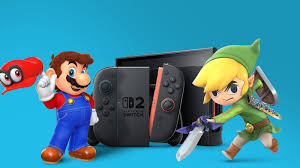
Sources of Gaming Leaks and Rumors
Understanding where gaming leaks and rumors come from is crucial for distinguishing credible information from speculation. Leaks and rumors can originate from a variety of channels, each with different levels of reliability.
Social Media Platforms
Social media has become a primary source of gaming leaks. Platforms like Twitter, Reddit, and Discord host active communities where insiders, data miners, or even casual players share information.
- Reddit: Subreddits like r/gaming or r/GameLeaks often discuss rumors, share screenshots, or analyze gameplay footage.
- Discord: Private or semi-private servers sometimes reveal leaks before they go public.
- Twitter: Many industry insiders use Twitter to drop hints or tease upcoming content.
While social media is fast and accessible, it’s also prone to fake leaks and misinformation, so it’s essential to cross-check before believing any claims.
Insider Reports
Insiders include journalists, developers, or testers with access to unreleased games or consoles. These individuals sometimes share early information under embargo or anonymously.
Examples of reliable insider sources:
- Trusted gaming journalists like Jason Schreier or Jeff Grubb
- Developers’ official beta testers
- Verified leakers with a track record of accurate information
Insider reports are generally more trustworthy than random social media posts, but verification is still recommended.
Data Mining
Data mining involves analyzing game files, updates, or trailers to uncover hidden content. For instance, miners have discovered unused characters, hidden features, or upcoming DLC content before official announcements.
- Popular examples: hidden Pokémon forms, unused skins in Fortnite, or unreleased characters in Super Smash Bros.
- Ethical considerations: data mining doesn’t always break the law but can sometimes violate terms of service.
Other Sources
- Marketing leaks: accidental release of promotional materials, pre-orders, or website updates
- Press events: screenshots or demos from events like E3 or Gamescom
- Forums and fan communities: speculative discussions that sometimes evolve into credible rumors
By understanding the sources, gamers can better evaluate the credibility and potential impact of leaks and rumors.

Famous Gaming Leaks and Rumors
Some gaming leaks and rumors have made headlines because of their accuracy, impact, or sheer scale. Exploring these examples helps us understand how leaks shape anticipation and influence the gaming community.
Console Announcements
Leaks about upcoming consoles often generate huge hype and speculation. For example:
- PlayStation 5 leaks included images of the console’s design months before Sony’s official reveal, sparking debates on social media about aesthetics and specs.
- Xbox Series X leaks involved internal documents and retail listings, giving fans an early look at features like Quick Resume and hardware performance.
These leaks can drive pre-orders and create intense online discussion even before marketing campaigns officially begin.
Upcoming Game Titles
Many leaks focus on new or highly anticipated games:
- The Last of Us Part II: Plot details and character information leaked months in advance, dividing fan reactions.
- Elden Ring: Rumors about game mechanics, maps, and bosses circulated for years before the official launch, building anticipation and guiding fan theories.
While some rumors prove true, others can mislead fans, highlighting the importance of source verification.
Game Features or DLCs
Leaked or rumored information about game updates often excites existing player bases:
- Fortnite: Data miners uncovered unreleased skins, emotes, and map changes ahead of official announcements.
- Super Smash Bros. Ultimate: Upcoming character additions were leaked from game code, generating massive online discussion.
- Call of Duty: Rumors about new modes, maps, or storylines frequently circulate months before release.
These leaks often drive engagement, as fans discuss potential strategies, design choices, and their expectations for the games.
Lessons from Famous Leaks
- Accuracy matters: Leaks with proven credibility build trust in the gaming community.
- Hype can backfire: Overhyped rumors that turn out false can lead to disappointment or backlash.
- Community involvement: Fans play a huge role in spreading and dissecting leaks, turning simple rumors into major talking points.
How to Verify Gaming Leaks and Rumors
With the sheer volume of gaming leaks and rumors circulating online, knowing how to verify information is essential. Following a structured approach can help you separate credible news from speculation or misinformation.
Check Multiple Sources
One of the simplest ways to verify a leak is to cross-reference it with multiple sources. If several reputable outlets report the same information independently, it’s more likely to be accurate.
- Example: If both trusted journalists and verified insiders report a new game feature, it carries more weight than a single anonymous post on social media.
- Tip: Avoid believing leaks that only appear in forums or unofficial social media accounts without corroboration.
Analyze the Credibility of the Leaker
Not all leaks are created equal. Assess the track record and reputation of the person sharing the information:
- Experienced journalists or insiders who have correctly leaked information in the past are generally reliable.
- Anonymous or new leakers with no proven history should be treated skeptically.
- Consider whether the leaker has a motive, such as marketing hype, trolling, or gaining followers.
Look for Official Confirmation
Even when a leak appears credible, the most reliable confirmation comes from official sources:
- Game developers’ social media accounts or websites
- Press releases and announcements
- Verified beta testing updates or newsletters
Official confirmation can take weeks or months, but waiting ensures you don’t fall for false rumors.
Use Critical Thinking
- Question the plausibility: Does the leak match the game’s known style, mechanics, or timeline?
- Avoid hype-driven assumptions: Popular speculation can sometimes seem credible simply because many people are discussing it.
- Track historical accuracy: Compare the leaker’s previous claims and see how often they were correct.
By combining these methods, gamers can enjoy leaks and rumors without falling prey to misinformation, maintaining excitement while staying informed.
Risks and Downsides of Gaming Leaks and Rumors
While gaming leaks and rumors can generate excitement and engagement, they also carry several risks for gamers, developers, and the gaming industry as a whole. Understanding these downsides helps fans approach leaks responsibly.
Spoilers
Leaks often reveal major plot points, surprises, or gameplay mechanics before a game’s release. For story-driven games, this can ruin the experience:
- Example: Leaks from The Last of Us Part II spoiled key narrative twists, leaving some players frustrated.
- Spoilers can diminish emotional impact, suspense, and overall enjoyment, particularly for story-heavy titles like RPGs or adventure games.
Misinformation
Not all leaks and rumors are accurate. False information spreads quickly, often amplified by social media and fan communities:
- Fake leaks can generate hype for non-existent features or mislead players about release dates.
- Fans who believe incorrect rumors may feel disappointed, frustrated, or misinformed, which can erode trust in both communities and news sources.
Legal and Ethical Issues
Leaking confidential information often comes with legal consequences:
- Developers may pursue legal action against employees or insiders who leak proprietary content.
- Sharing leaks obtained illegally, such as from hacked servers or stolen files, can lead to lawsuits or account bans.
- Ethically, leaks can harm developers’ hard work, marketing strategies, and overall project management.
Community Impact
Overhyped rumors or sensational leaks can also affect gaming communities:
- Arguments and conflicts may arise between fans who believe or reject leaks.
- False expectations can create disappointment and backlash, damaging the reputation of both the game and online communities.
In summary: while leaks and rumors can enhance excitement, they carry the potential for spoilers, misinformation, legal problems, and community tension. Gamers should approach them critically and responsibly.
How Gaming Communities React to Leaks
Gaming leaks and rumors are not just news—they spark active engagement and discussion across communities. How fans react can influence hype, speculation, and even the success of games.
Fan Theories and Speculation
Leaks often fuel creative fan theories, as players try to predict storylines, gameplay mechanics, or upcoming features. Communities on Reddit, Discord, and fan forums dissect leaked information, debating its implications and crafting detailed analyses.
- Example: When leaks suggested a new Legend of Zelda game mechanic, fans created mock-up maps, gameplay strategies, and lore discussions.
- Speculation encourages critical thinking about game design and keeps communities engaged while waiting for official releases.
Social Media Trends
Leaks can go viral on platforms like Twitter, TikTok, and YouTube, generating trends and memes. Popular leaks may dominate hashtags, create discussion threads, or inspire reaction videos and breakdowns.
- Viral leaks often attract casual gamers who might not otherwise follow the franchise.
- This increased visibility can amplify marketing reach, intentionally or unintentionally.
Impact on Pre-orders and Sales
Community reactions to leaks can directly influence consumer behavior:
- Positive hype from a credible leak may boost pre-orders or early purchases.
- Conversely, disappointing or false leaks can reduce excitement and delay sales.
- Some developers track community engagement from leaks to gauge interest in features or DLCs, making leaks an indirect marketing tool.
Community Risks
While reactions are often positive, leaks can also polarize communities:
- Arguments may arise over credibility or interpretation of the information.
- Overhyped leaks can lead to backlash if expectations are not met.
- Ethical discussions often occur about sharing spoilers or unreleased content.
In essence: gaming communities thrive on leaks and rumors, turning information into discussion, content creation, and anticipation, but fans should engage responsibly to avoid misinformation and conflicts.
The Future of Gaming Leaks and Rumors
As gaming technology and communities evolve, the landscape of gaming leaks and rumors is also changing. Understanding these trends helps gamers anticipate how information will be shared and consumed in the future.
Technology and AI in Leaks
Artificial intelligence and advanced data mining tools are increasingly being used to uncover hidden game content or predict future releases:
- AI can analyze trailers, code, or in-game assets to detect patterns, such as unreleased characters or upcoming updates.
- Data mining tools are becoming more sophisticated, allowing fans to uncover details that were previously inaccessible.
- This technological evolution means that leaks may become more frequent and detailed, making it harder for developers to maintain secrecy.
Developer Strategies
Game developers are adapting to the prevalence of leaks by:
- Tighter security protocols: Protecting source code, assets, and internal communication.
- Controlled “leaks”: Sometimes intentionally releasing partial information to gauge fan interest or create hype.
- Early access and beta testing: Offering limited access to trusted players can reduce unauthorized leaks while still building engagement.
Changing Gamer Behavior
Gamers themselves are becoming more cautious and discerning:
- Many players now wait for multiple sources or official confirmation before trusting a leak.
- Communities are increasingly aware of misinformation and are learning to critically evaluate rumors.
- Despite this, the excitement around leaks remains strong, as fans enjoy speculation and community discussions.
Predictions for the Future
- Leaks may continue to accelerate due to technology, but the industry is becoming better at managing and controlling information.
- Rumors may shift from speculation to data-driven predictions, blending AI analysis with community discussions.
- Overall, the balance between hype and accuracy will be a central challenge for developers and gamers alike.
In conclusion: the future of gaming leaks and rumors is intertwined with technology, developer strategies, and community behavior, making it an ever-evolving aspect of the gaming world.
FAQs About Gaming Leaks and Rumors
Here are some of the most common questions gamers have about gaming leaks and rumors, answered to help readers navigate this often confusing landscape.
Are all gaming leaks reliable?
No. While some leaks come from credible insiders or data miners with a proven track record, many are speculative or false. Always check multiple sources and consider the leaker’s history before trusting the information.
How can I find credible gaming rumors?
- Follow reputable gaming journalists and industry insiders.
- Monitor verified social media accounts and official developer channels.
- Check community forums like Reddit for discussions but cross-reference claims with trustworthy sources.
Can following leaks spoil my gaming experience?
Yes. Leaks often reveal storylines, plot twists, or gameplay secrets. If you want a completely fresh experience, consider avoiding leaks until after official announcements.
Do leaks affect game development or release dates?
Leaks themselves usually don’t change the development process, but they can impact marketing strategies and public perception. Developers may accelerate announcements or adjust campaigns if significant information is leaked.
Are leaks legal to share?
Sharing publicly available leaks is generally legal, but distributing stolen or hacked content can have legal consequences. Always respect developer copyrights and terms of service.
Why do leaks and rumors exist?
Leaks happen due to human error, insider sharing, or data mining, while rumors thrive because of fan speculation and community interest. Both reflect the high demand for information in the gaming industry.
Conclusion
Gaming leaks and rumors have become an integral part of modern gaming culture. They spark excitement, fuel speculation, and build community engagement, while also carrying potential risks like spoilers, misinformation, and ethical concerns. Understanding the difference between leaks (unauthorized factual information) and rumors (speculative claims) is crucial for navigating this complex landscape.
Gamers can enjoy leaks responsibly by:
- Verifying information through multiple sources and credible insiders
- Avoiding hype-driven assumptions
- Respecting spoilers and ethical considerations when sharing content
Developers and the gaming industry are also adapting, using technology, security measures, and controlled reveals to manage the flow of information. Meanwhile, gaming communities continue to discuss, analyze, and engage with leaks, turning speculation into a dynamic part of the fan experience.
By staying informed, critical, and responsible, gamers can embrace the excitement of leaks and rumors without falling victim to misinformation or disappointment.
Gaming leaks and rumors will continue to shape how players anticipate and experience games, making them an enduring part of gaming culture.