
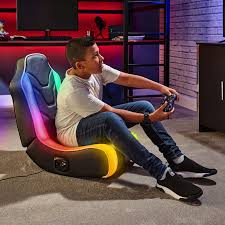
A kids gaming chair is more than just a colorful seat for your child’s gaming setup. It’s an essential piece of furniture that combines comfort, safety, and ergonomic support, helping your child enjoy gaming or study sessions without straining their back, neck, or posture. Unlike regular chairs, a kids gaming chair is designed specifically for smaller bodies, with adjustable features that grow with your child.
Choosing the right chair involves understanding your child’s needs, the types of chairs available, and the features that ensure long-term comfort and durability. From racing-style chairs to bean bag gaming chairs, there’s a wide variety of options that balance fun designs with ergonomic health. Investing in a high-quality kids gaming chair not only enhances your child’s gaming experience but also encourages proper posture habits that can last a lifetime.
In this guide, we’ll cover everything you need to know about kids gaming chairs, from their benefits to key features, types, buying tips, top brands, and maintenance. By the end, you’ll have all the information needed to select the best gaming chair for your child.
H2: What is a Kids Gaming Chair?
A kids gaming chair is a specially designed chair tailored for children and young teens who spend time gaming, studying, or using a computer. Unlike standard adult chairs, these chairs take into account a child’s smaller frame, developing posture, and the need for adjustable features that can grow with them. They are built to provide ergonomic support, comfort, and durability while keeping fun and vibrant designs in mind.
Key Differences from Adult Gaming Chairs
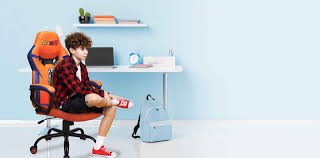
- Size and Proportions – Kids gaming chairs are smaller in height, seat width, and backrest length to fit children comfortably. Adult chairs may be too large, causing slouching or poor posture.
- Adjustability – Features like seat height, recline, and armrests are specifically designed for children. Many chairs offer 3–5 adjustment levels to accommodate growth.
- Weight Capacity – Most kids gaming chairs support between 50–120 lbs, whereas adult chairs are designed for higher weights.
- Design and Style – Fun, playful colors, cartoon prints, and themed chairs make them appealing to kids, encouraging them to use the chair regularly.
Common Types of Kids Gaming Chairs
- Racing-Style Chairs – Resemble professional gaming and car racing seats. They are supportive, with high backrests and adjustable armrests.
- Swivel Desk Chairs – Compact chairs suitable for both gaming and studying at a desk. They often come with wheels for mobility.
- Bean Bag and Floor Chairs – Casual and portable chairs ideal for younger kids or small spaces. They focus more on comfort than structured ergonomic support.
Overall, a kids gaming chair is designed to promote healthy posture, comfort, and enjoyment. Selecting the right type and size ensures that your child can sit for hours without discomfort or risk of developing back problems.
H2: Benefits of Using a Kids Gaming Chair
Investing in a kids gaming chair comes with several benefits that go beyond just comfort. A well-designed chair can support your child’s physical health, enhance focus during gaming or study sessions, and even make their gaming setup more exciting and engaging.
H3: Ergonomic Support and Posture Improvement
One of the main advantages of a kids gaming chair is its ergonomic design. These chairs are crafted to support a child’s spine, neck, and shoulders. Adjustable lumbar support and high backrests prevent slouching and encourage proper posture. According to studies on children’s posture, using ergonomic seating during prolonged sitting can reduce the risk of developing back pain later in life.
H3: Comfort During Long Gaming Sessions
Kids often spend hours playing video games or studying. A comfortable gaming chair with padded seats, soft armrests, and breathable materials ensures your child can sit for extended periods without fatigue. Many chairs feature memory foam or high-density foam cushions that mold to the child’s body, reducing pressure points and increasing focus.
H3: Fun Designs and Motivation
Children are more likely to use a chair that looks fun and personalized. Many kids gaming chairs feature vibrant colors, cartoon characters, or themed designs like superheroes and racing stripes. This not only makes their gaming space more exciting but also encourages them to use the chair consistently, which indirectly promotes better posture and healthier sitting habits.
H3: Multi-Purpose Use
Besides gaming, kids gaming chairs are also suitable for studying, reading, or watching videos. This versatility makes them a practical investment for families looking to optimize their child’s workspace at home.
Summary of Benefits in a Table:
| Benefit | Description | Why It Matters |
|---|---|---|
| Ergonomic Support | Proper spine and neck alignment | Reduces risk of posture-related issues |
| Comfort | Cushioned seats, breathable materials | Allows longer, fatigue-free sitting |
| Fun Designs | Themed chairs, vibrant colors | Encourages consistent use |
| Multi-Purpose | Gaming, studying, reading | Maximizes value and usability |
H2: Key Features to Look for in a Kids Gaming Chair
Choosing the right kids gaming chair means looking beyond the design and colors. The features of the chair determine comfort, safety, and durability, ensuring it meets your child’s needs as they grow. Here’s what to focus on when shopping for the best gaming chair for kids:
H3: Adjustable Height and Armrests
Adjustability is crucial because children grow quickly. Look for chairs with:
- Seat height adjustment – Allows the chair to fit different desk heights and growing children.
- Armrest adjustment – Supports proper arm positioning while gaming or studying.
- Backrest tilt – Some chairs let kids recline slightly for comfort during longer sessions.
A chair that adjusts to a child’s size ensures ergonomic support, reduces slouching, and prolongs the chair’s usability.
H3: Durable Materials and Build Quality
A quality chair should last for years, even with daily use. Consider:
- Frame – Metal frames are sturdier than plastic and provide better stability.
- Upholstery – PU leather is easy to clean; fabric offers breathability, and mesh provides cooling comfort.
- Cushioning – High-density foam or memory foam ensures long-lasting comfort.
- Weight capacity – Check that the chair can support your child’s current weight plus a margin for growth.
H3: Safety Features
Safety should be a top priority:
- Anti-tip design – Wide base or five-wheel support reduces the risk of tipping.
- Non-toxic materials – Ensure the chair is free from harmful chemicals.
- Smooth-rolling wheels – Suitable for different floor types without scratching surfaces.
H3: Additional Features
Some kids gaming chairs come with extra features that enhance the experience:
- Reclining function and footrests – For relaxation during breaks.
- Built-in speakers – Adds an immersive audio experience.
- Cup holders or storage pockets – Convenient for snacks, controllers, or small items.
By focusing on these key features, parents can choose a chair that combines safety, comfort, and long-term usability, ensuring their child enjoys gaming in the healthiest way possible.
H2: Types of Kids Gaming Chairs
There are several types of kids gaming chairs, each designed to meet different needs, preferences, and spaces. Understanding the differences will help you choose the right chair for your child.
H3: Racing-Style Gaming Chairs
Racing-style chairs are inspired by professional racing car seats. They are one of the most popular types of kids gaming chairs due to their ergonomic design and sporty look.
Features:
- High backrest with neck and lumbar support
- Adjustable armrests and seat height
- Reclining function for relaxation
Pros: Provides excellent posture support and immersive gaming experience
Cons: Can be bulkier and require more space
Best For: Kids aged 7–14 who play video games frequently
H3: Swivel and Desk Chairs
Swivel chairs are versatile and ideal for gaming, studying, or homework. They usually have a simpler design than racing chairs but still offer comfort and mobility.
Features:
- 360-degree swivel for easy movement
- Rolling wheels for smooth floor navigation
- Moderate cushioning and back support
Pros: Compact and practical for multi-use setups
Cons: Less padding compared to racing chairs
Best For: Younger kids or smaller spaces where the chair is used for both study and gaming
H3: Bean Bag and Floor Gaming Chairs
Bean bag or floor chairs are casual, lightweight, and perfect for relaxed gaming. They are especially suitable for younger kids who don’t need structured support.
Features:
- Soft, cushioned design with no hard frame
- Portable and easy to store
- Often comes in fun, playful shapes
Pros: Comfortable and fun for casual gaming
Cons: Lacks ergonomic support for long-term posture benefits
Best For: Children aged 3–8 or smaller rooms where flexibility is needed
Each type of kids gaming chair has its own strengths. Your choice should depend on your child’s age, gaming habits, available space, and whether the chair will double as a study or lounge chair.
H2: How to Choose the Right Kids Gaming Chair
Selecting the perfect kids gaming chair requires considering multiple factors, including your child’s size, age, budget, and intended use. Making the right choice ensures comfort, safety, and longevity.
H3: Consider Your Child’s Age and Size
- Seat dimensions: Make sure the seat width and depth fit your child comfortably. A chair that’s too big can cause slouching, while one that’s too small can feel cramped.
- Adjustability: Look for chairs with adjustable height, armrests, and reclining options to accommodate growth.
- Back support: For younger children, higher backrests with neck and lumbar support help maintain healthy posture.
Tip: Measure your child’s height and compare it with the chair’s recommended age or size range before purchasing.
H3: Budget and Price Ranges
- Entry-level chairs: $50–$100, basic features, limited adjustability, suitable for casual gamers.
- Mid-range chairs: $100–$200, better cushioning, ergonomic features, and durability.
- Premium chairs: $200+, advanced adjustability, high-quality materials, and extra features like built-in speakers.
Investing in a slightly higher-priced chair often pays off with better comfort, longevity, and safety.
H3: Where to Buy
- Online marketplaces: Amazon, Walmart, and specialty gaming stores offer wide selections and user reviews.
- Official brand stores: Purchasing directly from trusted brands ensures authenticity and warranty coverage.
- Local furniture stores: Allows you to test the chair before buying but may have limited options.
H3: Reviews and Ratings
Before purchasing, always check:
- Durability: How long the chair lasts under daily use.
- Comfort: Cushioning, ergonomic support, and adjustability.
- Ease of assembly: Some chairs require tools or complex setups.
- Parent and child feedback: Real user experiences can highlight hidden pros or cons.
By considering these factors, parents can choose a kids gaming chair that balances comfort, safety, and fun while providing long-term value.
H2: Top Kids Gaming Chair Brands and Models
When choosing a kids gaming chair, selecting a trusted brand ensures better quality, durability, and safety. Here are some of the top brands and popular models that parents recommend:
1. Secretlab Titan Mini
- Features: Ergonomic design, adjustable lumbar support, multi-tilt mechanism, premium PU leather.
- Pros: Excellent posture support, high-quality build, sleek design.
- Cons: Higher price point.
- Best For: Kids aged 6–12 who want a professional gaming chair experience.
2. Homall Kids Gaming Chair
- Features: Racing-style design, height-adjustable, padded armrests, swivel base.
- Pros: Affordable, durable, easy to assemble.
- Cons: Limited color options.
- Best For: Casual young gamers aged 5–12.
3. RESPAWN 110 Racing-Style Chair
- Features: Reclining backrest, segmented padding, cup holder, footrest.
- Pros: Multi-functional, fun design, comfortable for longer sessions.
- Cons: Bulky for smaller rooms.
- Best For: Kids aged 7–14 who enjoy immersive gaming setups.
4. OFM Essentials Swivel Chair
- Features: Compact, 360-degree swivel, cushioned seat, adjustable height.
- Pros: Great for study and gaming, lightweight, affordable.
- Cons: Less ergonomic for long gaming sessions.
- Best For: Younger children or limited space setups.
Comparison Table of Top Kids Gaming Chairs
| Brand & Model | Type | Age Range | Price Range | Key Features |
|---|---|---|---|---|
| Secretlab Titan Mini | Racing | 6–12 | $200+ | Ergonomic, adjustable lumbar support, premium materials |
| Homall Kids Gaming Chair | Racing | 5–12 | $80–$120 | Affordable, padded armrests, height adjustable |
| RESPAWN 110 | Racing | 7–14 | $150–$200 | Reclining, footrest, cup holder |
| OFM Essentials Swivel | Swivel | 5–10 | $70–$100 | Lightweight, 360° swivel, study-friendly |
By considering these brands and models, parents can choose a chair that fits their child’s needs, space, and budget while ensuring quality and durability.
H2: Kids Gaming Chair Maintenance and Care Tips
A kids gaming chair is an investment, and proper care can extend its lifespan, maintain comfort, and ensure safety. Here are essential maintenance tips:
H3: Cleaning Tips
- PU Leather Chairs: Wipe regularly with a damp cloth and mild soap to remove dirt or spills. Avoid harsh chemicals that can damage the material.
- Fabric Chairs: Use a vacuum to remove dust and crumbs. Spot clean stains with a gentle detergent.
- Mesh Chairs: Clean with a soft brush or cloth to remove dust from the breathable material.
H3: Regular Safety Checks
- Tighten Screws and Bolts: Over time, screws may loosen due to daily use. Check monthly to maintain stability.
- Wheel Maintenance: Ensure the rolling wheels move smoothly and remove any hair or debris that may block them.
- Inspect Padding: Look for sagging or worn-out cushions that may affect comfort and support.
H3: Proper Usage Tips
- Encourage your child to adjust the chair to their height rather than sitting improperly.
- Avoid standing or jumping on the chair to prevent damage or tipping.
- Rotate usage between study and gaming to reduce wear on specific parts.
H3: Storage Tips
- Keep the chair away from direct sunlight to prevent fading or cracking.
- Store in a dry area to prevent moisture damage, especially for leather or fabric chairs.
By following these maintenance tips, your child’s gaming chair remains safe, clean, and comfortable for years, making it a long-term investment in both health and enjoyment.
H2: Common Questions About Kids Gaming Chairs (FAQ)
Parents often have questions when buying a kids gaming chair. Here are some of the most common queries, answered clearly:
H3: Are kids gaming chairs safe for long use?
Yes, when chosen correctly, ergonomic kids gaming chairs are safe for extended use. Look for chairs with proper lumbar and neck support, adjustable height, and cushioned seats to maintain good posture.
H3: How long should a child sit in a gaming chair?
It’s recommended that children take breaks every 45–60 minutes to stretch and move around. Even with ergonomic chairs, prolonged sitting can strain muscles and eyes.
H3: Can a kids gaming chair fit a teen?
Some chairs, especially mid-to-large racing-style chairs, can accommodate teens, provided the seat height, width, and weight capacity are suitable. Always check the manufacturer’s recommended age and size range.
H3: Are gaming chairs better than regular chairs for kids?
Yes, gaming chairs offer superior ergonomic support compared to standard desk chairs, encouraging better posture and comfort during long gaming or study sessions. Regular chairs may lack lumbar support or adjustability.
H3: How do I assemble a kids gaming chair?
Most chairs come with step-by-step assembly instructions and required tools. It usually takes 20–40 minutes to assemble. Parents should ensure all bolts are tightened securely and wheels function properly before use.
By addressing these common concerns, parents can make informed decisions and ensure their child’s gaming setup is safe, comfortable, and supportive.